
Mrs. Otis's Cabin with Woodland View
Photo gallery for Mrs. Otis's Cabin with Woodland View


Reviews
Popular amenities
- Onsite parking available
- Kitchen
- Air-conditioning
- Barbecue
- Balcony
- Internet access
Explore the area

- Brighton Town HallPlace, Brighton Town Hall8 min drive
- Paul Smiths CollegePlace, Paul Smiths College10 min drive
- Paul Smith's College Visitor Interpretive CenterPlace, Paul Smith's College Visitor Interpretive Center10 min drive
- Saranac Lake, NY (SLK-Adirondack Regional)Airport, Saranac Lake, NY (SLK-Adirondack Regional)21 min drive
Rooms & beds
1 bedroom (sleeps 4)
Bedroom 01
Living Room / Lounge 01
1 bathroom
Bathroom 1
Spaces
About this property
Mrs. Otis's Cabin with Woodland View
Mrs. Otis can be rented in combination with Guides for a special reduced price. This combination would sleep a total of 4 people between two bedrooms, or up to a total of 8 people if the sleeper sofas are utilized.
The Great Room: The social retreat of an Adirondack Great Camp is the Great Room, a rustically grandiose meeting place for formal and informal activities. White Pine Camp's Great Room is available to guests at all times and provides a comfortable setting with furnishings typical of the era, including stick furniture, leather couches and decorative taxidermy. Firewood in the huge flagstone fireplace is always laid for guests to light at their leisure.
The Overlook: Under a canopy of cathedral pines and overlooking the Japanese Tea House and Osgood Pond is the Overlook. With its expansive vintage red tile patio, pergola, Adirondack furniture and fire pit, the Overlook is a popular spot for a lunch time picnic, late afternoon cocktails or an evening campfire with s'mores.
The Bowling Alley: Part of the Addison Mizner architectural design, the bowling alley was added to the game room in 1911. Yes, the set-your-own-pins bowling alley is still functioning and is much enjoyed by guests young and old. It also boasts a large stone fireplace, pool table and intimate back porch with incredible sunset views of Osgood Pond.
Japanese Tea House: Much coveted by the wealthy ladies of the Great Camps was a Japanese Tea House on an island. Olive White, wife of the original owner, was determined to have one as well. Today the Tea House is one of the most sought-after photo subjects in the Adirondacks. Our guests enjoy unlimited use of the Tea House island as a quiet getaway,
RESORT FEE
A 6% resort fee will be added to each reservation to help offset costs associated with complimentary amenities and the upkeep of our shared facilities. This includes access to canoes, kayaks, ping pong, badminton, firewood and supplies for fireplaces, seasonal swimming facilities, and complimentary coffee and tea. Furthermore, this fee supports the essential maintenance and cleaning of the Great Room, Bowling Alley, Tennis House, Tennis Tea House, Japanese Tea House, and two Boathouses.
Add dates for prices
Have a question?
BetaBetaGet instant answers with AI powered search of property information and reviews.
Similar properties

On Franklin Pond - Lake And Mountain Views With Convenient Lake Access
- Kitchen
- Washing machine
- Dryer
- Free Wi-Fi

Cozy pet friendly cabin for two - 3 miles from Saranac Lake - access to lake
- Kitchen
- Pet-friendly
- Outdoor space
- Parking available

Loon Cabin on Lake Colby, Saranac Lake
- Kitchen
- Pet-friendly
- Air-conditioning
- Parking available

Trout Cabin on Lake Colby, Saranac Lake
- Kitchen
- Pet-friendly
- Air-conditioning
- Parking available

Baker Cabin at Colden Lodge A Romantic Adirondack Private Cabin on Lake Flower
- Spa pool
- Kitchen
- Washing machine
- Dryer

Waterfront Inn / Suite with Balcony / water views
- Kitchen
- Free Wi-Fi
- Air-conditioning
- Outdoor space

Beautiful waterfront cabin; breathtaking views of Whiteface Mountain
- Kitchen
- Pet-friendly
- Free Wi-Fi
- Outdoor space
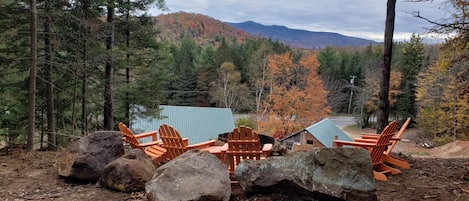
Saranac Lake Adirondack Modern Loft-fire pit, river access, 100 acre forest
- Kitchen
- Pet-friendly
- Free Wi-Fi
- Air-conditioning

Adirondack Escape w/Hot Tub - Forrest View
- Spa pool
- Kitchen
- Washing machine
- Dryer

Luxury Cabin Perfect Location in Rainbow Lake, NY
- Kitchen
- Washing machine
- Dryer
- Free Wi-Fi

Loon Lake Adirondack Lodge . Pet and family friendly.
- Pet-friendly
- Free Wi-Fi
- Games room
- Parking available

Cozy Cabin, porch & lake
- Kitchen
- Pet-friendly
- Free Wi-Fi
- Air-conditioning
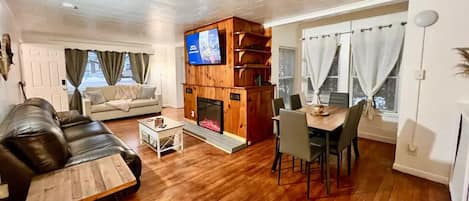
Renovated Adirondack Getaway Downtown Saranac Lake - Sleeps 7
- Kitchen
- Washing machine
- Dryer
- Air-conditioning

Camp Little Bear on Upper Saranac Lake
- Kitchen
- Parking available
- Barbecue
- Lake view

Vintage Adirondack Cabin Saranac Lake - pet friendly
- Kitchen
- Pet-friendly
- Outdoor space
- Parking available
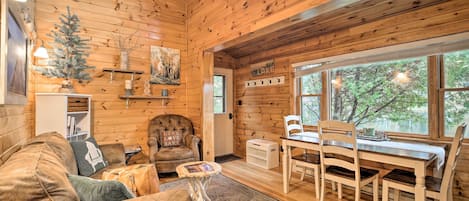
Pet-Friendly Adirondack Cabin w/ On-Site Lake
- Kitchen
- Washing machine
- Dryer
- Pet-friendly

Lake Access: Adirondack Zen Studio
- Kitchen
- Free Wi-Fi
- Air-conditioning
- Outdoor space

Charming 2Bdrm Retreat in Picturesque Saranac Lake
- Kitchen
- Washing machine
- Dryer
- Pet-friendly

Spacious Suite with fireplace at Adirondack Waterfront Inn
- Free Wi-Fi
- Outdoor space
- Parking available
- Fireplace

Conklin Cottage – Your Adirondack Escape
- Kitchen
- Washing machine
- Dryer
- Pet-friendly

Adirondack Mountain View Retreat – Downtown Saranac Lake
- Fireplace
- Living/dining area

Village Hideaway II,1 BR Apt.-on the Rail Trail, short easy walk downtown.
- Kitchen
- Washing machine
- Dryer
- Free Wi-Fi

Beautifully Renovated Rustic Retreat Heart of Downtown Saranac Lake 3BR/2B
- Air-conditioning
- Games room

Tamarac Cabin Waterfront For Two
- Spa pool
- Kitchen
- Washing machine
- Dryer

Charming pet friendly 2-bedroom cabin in Raybrook
- Kitchen
- Washing machine
- Dryer
- Pet-friendly

Vacation Rental-Saranac Lake - vintage Adirondack cabin open Spring/Summer/Fall
- Kitchen
- Pet-friendly
- Outdoor space
- Parking available

A True Rustic Cabin with Private Access to Bass Lake and Hiking Trails
- Kitchen
- Washing machine
- Dryer
- Pet-friendly

PET FRIENDLY -LOCATED BETWEEN LAKE PLACID AND SARANAC LAKE WITH PONTOON RENTALS
- Kitchen
- Pet-friendly
- Free Wi-Fi
- Air-conditioning

Balsam Hollow Cabin in the Adirondacks
- Kitchen
- Washing machine
- Dryer
- Free Wi-Fi

Birch Suite at Colden Lodge A Cozy Private 1Br Suite With Hot Tub on Lake Flower
- Spa pool
- Kitchen
- Washing machine
- Dryer
House Rules
Children
Events
Pets
Smoking
Important information
You need to know
About the area
Rainbow Lake

What's nearby
- Brighton Town Hall - 8 min drive - 5.5 km
- Paul Smiths College - 10 min drive - 7.3 km
- The Great Lawn - 10 min drive - 7.3 km
- Paul Smith's College Visitor Interpretive Center - 10 min drive - 8.4 km
- Jones Pond - 12 min drive - 9.1 km
Getting around
- Saranac Lake, NY (SLK-Adirondack Regional) - 22 min drive
Restaurants
- Charlie's Inn - 17 min drive
- Donnelly's Ice Cream - 17 min drive
- Shamrock Bar & Grill - 14 min drive
- The Adirondack Palm - 10 min drive
- Hutchins Cafe - 10 min drive
Frequently asked questions
Is Mrs. Otis's Cabin with Woodland View pet-friendly?
No, pets are not allowed at this property.
How much does it cost to stay at Mrs. Otis's Cabin with Woodland View?
As of 21 August 2026, prices found for a 1-night stay for 2 adults at Mrs. Otis's Cabin with Woodland View on 19 October 2026 start from NZ$779, including taxes and fees. This price is based on the lowest nightly price found in the last 24 hours for stays in the next 30 days. Prices are subject to change. Choose your dates for more accurate prices.
How much is parking at Mrs. Otis's Cabin with Woodland View?
On-site parking is available at the property.
What time is check-in at Mrs. Otis's Cabin with Woodland View?
Check-in begins at 4:00 PM.
What time is check-out at Mrs. Otis's Cabin with Woodland View?
Checkout is at 10:30 AM.
Where is Mrs. Otis's Cabin with Woodland View located?
This family-friendly Rainbow Lake cabin is located on a river, 2.7 mi (4.4 km) from Brighton Town Hall, and within 6 mi (10 km) of The Great Lawn and Jones Pond. Saint Regis Canoe Area and Rainbow Lake are also within 6 miles (10 km).
About the host
Hosted by Tim Moody 518-327-3030
Why they chose this property
The camp that Massarene, Muncil and Mizner designed and built would be architecturally unique among the Great Camps of the Adirondacks. Its 20 original buildings included an owner’s cabin, dining hall, four or five sleeping cabins, two boat houses, a tennis house, bowling alley a Japanese tea house that would become one of the Adirondacks’ most iconic images. But unlike the heavy log style first developed by William West Durant or the ornate artistry associated with later Adirondack styles, White Pine Camp’s builders effected a more subtle rustic expression. Their “pre-modern” composition featured soaring roof lines, asymmetrical -shaped buildings, and the extensive use of dramatic, natural lighting. If windows are indeed the eyes of a home, White Pine Camp’s unusually shaped windows--in corners and clearstories--open every room to a kaleidoscopic array of natural light textures.
Another one of the builders’ innovations was the rough-milled siding developed by Muncil and Paul Smith’s millwright, Charles Nichols. It was a compromise between more traditional clapboard siding and the rustic slab siding typical of other Adirondack camps. Muncil and Nichols’ “brainstorm siding”, as they humorously referred to their innovation, soon became a common element of Adirondack architecture. Also known as “Adirondack siding”, it soon spread throughout the region and beyond.
In addition to its innovative architectural style, White Pine Camp’s designers surrounded their buildings with the most extensive landscape architecture of any Adirondack rustic estate to date. Its masonry walls, paths, bridges, flower plantings and lush rhododendron gardens create a medley of natural elements that embrace the camp’s grounds.
What makes this property unique
Also, as a guest, you have total and unlimited access to all our facilities and activities.
Want to go fishing or boating? Just walk down to one of our two boathouses and grab a canoe, rowboat or kayak.
Want to hike? Head out on a trail right outside your door.
Want to swim? Enjoy an invigorating dip in the crystal-clear waters of Osgood Pond.
Like to bowl? You can do so in the vintage bowling alley used by the President himself... as long as you set your own pins.
And don't forget to bring a good book. White Pine Camp literally has dozens of indoor and outdoor hideaways to while away a lazy afternoon - be it by a roaring fire in the 'Great Room,' on a rustic bench in our Alpine garden, or in our iconic Japanese tea house on a tiny island accessed by a 300-foot wooden bridge.
Should you tear yourself away from camp, you'll find an entire smorgasbord of natural adventures. We are surrounded by the St. Regis Canoe Wilderness, with some of the most extensive paddling routes in the country. And, 'down the street' - our version of two miles - is Paul Smith's College, where you are welcome to enjoy the fitness center, café and Visitor Interpretive Center, the ultimate source on snowshoe, cross-country skiing, bird watching and back-country hiking.
Languages:
Premier Host
